A Guide by Blind Dog Coffee
If you’ve been searching for low acid coffee that’s easy on the stomach, you’ve likely come across two common claims: naturally low acid coffee beans and specially processed low acid coffee. It can be confusing to know which one is actually better, especially if your goal is to enjoy coffee without discomfort.
At Blind Dog Coffee, this is a question we hear all the time from customers dealing with acid reflux, stomach sensitivity, or bitterness in coffee. The answer is simple, but important to understand: low acid coffee can be both naturally grown and processed, but the two approaches are very different in how they affect taste and overall experience.
Naturally Low Acid Coffee: A Better Starting Point
Naturally low acid coffee begins at the source. Instead of reducing acidity after the beans are harvested, the focus is on growing and roasting coffee in a way that naturally results in a smoother, less acidic cup. Factors like lower growing altitude, bean origin, and roasting style all play a role in shaping the acidity level.
Regions such as Brazil and Sumatra are known for producing coffee that is naturally lower in acidity, often with a smoother and more balanced flavour profile. Roasting also has a noticeable impact, as darker roasts tend to reduce perceived acidity and bring out deeper, richer notes.
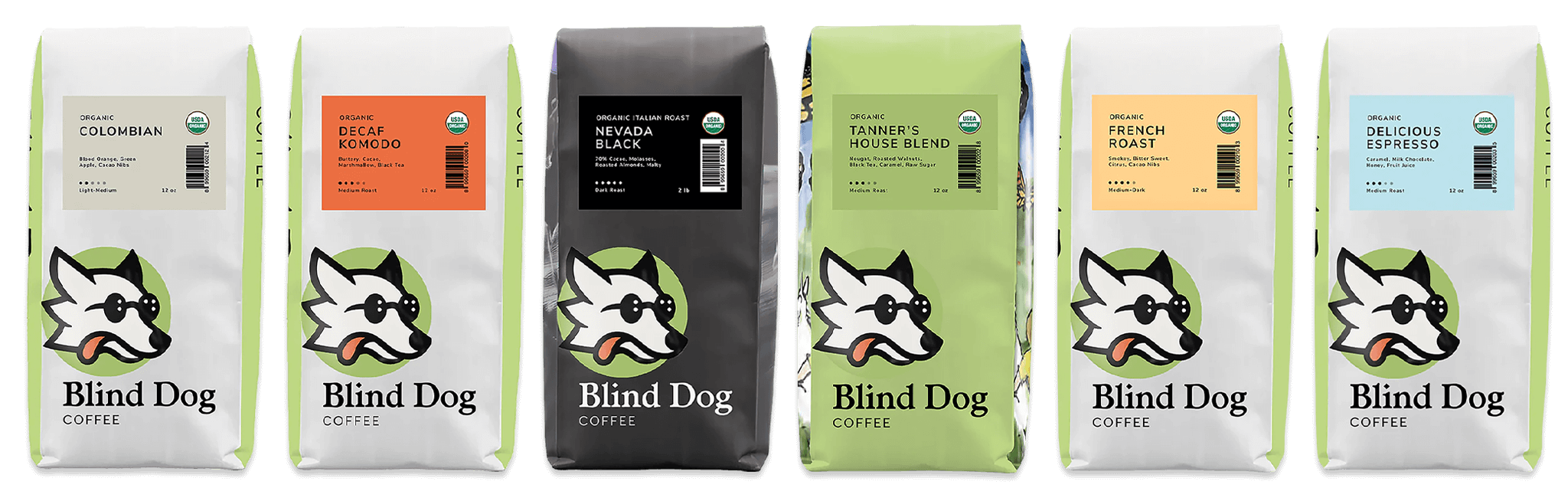
At Blind Dog Coffee, this is the approach we prioritise. By carefully selecting beans and roasting them with intention, we create coffee that is naturally smooth and easy on the stomach—without relying on heavy processing. That’s why all of our coffees, whether light, medium, or dark roast, are crafted to deliver a low acid, balanced experience. This means you can enjoy your preferred roast level without sacrificing comfort.
For many people, especially those with sensitive stomachs, naturally low acid coffee offers the best combination of flavour and drinkability.
Processed Low Acid Coffee: Adjusting After the Fact
Not all coffee starts out low in acid, which is where processing methods come in. Some coffees are treated after harvesting to reduce their acidity through techniques like steam processing or other forms of post-harvest adjustment. Even brewing methods such as cold brew can lower the acidity in the final cup.
While these methods can be effective in reducing acidity, they sometimes come with trade-offs. The natural flavour of the coffee can become less vibrant, and the overall profile may feel flatter or less complex. For some drinkers, this is a reasonable compromise, but for others, especially those who care about both taste and comfort, it may not be ideal.
This is why many people lean toward naturally low acid coffee rather than relying on processed alternatives.
Which One Should You Choose?
Choosing between naturally low acid and processed coffee ultimately comes down to what you value most in your daily cup. Naturally low acid coffee tends to offer a more complete experience, where flavour, smoothness, and comfort all come together without the need for additional treatment.
Processed low acid coffee, on the other hand, can still reduce acidity effectively, but it often feels like a secondary solution rather than a foundation. It’s more commonly found in mass-market products where consistency and cost may take priority over flavour depth.
If your goal is to drink coffee every day without discomfort while still enjoying a rich and satisfying taste, naturally low acid coffee is usually the better choice.
Why More People Are Switching to Low Acid Coffee
Most people don’t actively search for low acid coffee until they start experiencing issues with regular coffee. This can show up as heartburn, acid reflux, stomach irritation, or simply a sharp and overly bitter taste.
Switching to low acid coffee often transforms the experience. Instead of discomfort, you get a smoother, more balanced cup that feels easier on the stomach and more enjoyable to drink consistently. For many, it’s the difference between cutting back on coffee and being able to enjoy it every day again.
How to Choose the Right Low Acid Coffee
When looking for the right low acid coffee, it helps to pay attention to how the beans are sourced and described. Coffees from regions known for lower acidity, combined with roasting approaches that prioritise smoothness, are usually a good indicator of quality. Descriptions like “smooth,” “balanced,” and “easy on the stomach” often point in the right direction, especially when there’s no heavy emphasis on post-processing methods.
At Blind Dog Coffee, the focus is on keeping things simple and effective—coffee that is naturally low in acidity, carefully roasted, and designed to be enjoyed daily without compromise.
Final Thoughts
So, are low acid coffee beans naturally grown or processed? The answer is both, but the difference lies in how the result is achieved.
Naturally low acid coffee starts with the right beans and roasting approach, delivering a smoother and more balanced flavour without extra intervention. Processed coffee can reduce acidity as well, but it isn’t always necessary when the foundation is done right.
If you’re looking for a coffee that offers less bitterness, better digestion, and a smoother overall experience, starting with naturally low acid coffee is the best place to begin.